- English
- Español
- Português
- русский
- Français
- 日本語
- Deutsch
- tiếng Việt
- Italiano
- Nederlands
- ภาษาไทย
- Polski
- 한국어
- Svenska
- magyar
- Malay
- বাংলা ভাষার
- Dansk
- Suomi
- हिन्दी
- Pilipino
- Türkçe
- Gaeilge
- العربية
- Indonesia
- Norsk
- تمل
- český
- ελληνικά
- український
- Javanese
- فارسی
- தமிழ்
- తెలుగు
- नेपाली
- Burmese
- български
- ລາວ
- Latine
- Қазақша
- Euskal
- Azərbaycan
- Slovenský jazyk
- Македонски
- Lietuvos
- Eesti Keel
- Română
- Slovenski
- मराठी
- Srpski језик

What Makes Pin‑Lug Couplings a Preferred Choice for Fluid Pipeline Projects?
What makes Pin-Lug couplings widely favored in global fire-safety, oil, chemical, agriculture and engineering fluid-transfer projects? How should buyers select correct products and carry out proper routine maintenance? Many purchasing engineers and equipment OEMs are faced with these real-world questions. This article will analyze these topics from industry application, market status, product selection and maintenance perspectives.
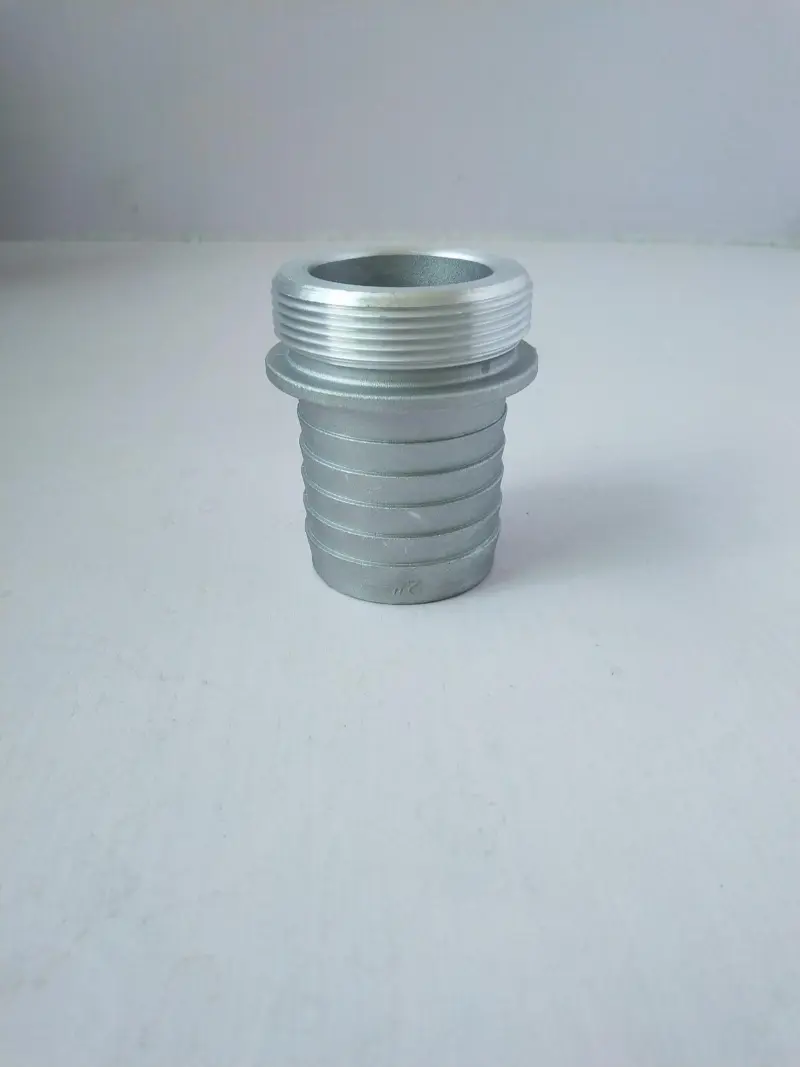
Solving practical pain points across multiple industries
Pin-Lug couplings are widely applied in fire-safety, fuel transfer, chemical processing, machinery, agricultural irrigation and engineering piping. Target users include engineering contractors, fire‑protection suppliers, equipment OEMs and fluid-system integrators.
Frequent hose disconnection and re-connection is common on site. Traditional threaded connections are time-consuming. Poor-quality fittings may lead to leakage, safety hazards and unexpected downtime. Pin-Lug couplings allow tool-free fast connection. With rubber gasket for stable sealing, aluminum body and brass nut deliver good corrosion resistance and reduce on-site leakage risks.
Rising market demand for standardized couplings
Global fluid-transfer accessory market keeps growing, driven by infrastructure, agriculture and fire-safety projects.
Overseas buyers are no longer chasing low prices only. They pay more attention to dimensional accuracy, interchangeability and material durability.
Compatibility issues between different brands are frequently reported. Standard-compliant Pin-Lug couplings are gaining popularity among international project purchasers.
How to select proper Pin‑Lug couplings for your project
Several factors should be considered before purchase:
1. Fluid medium: Ensure coupling body and rubber gasket are chemically compatible with conveyed media.
2. Pressure & temperature: Coupling rating must match system working conditions. Over-range usage will cause leakage or component damage.
3. Size & thread: Confirm hose inner diameter and thread types (NPT, NPSM, NPSH, NST/NH). Thread mismatch is a top cause of assembly failure.
4. Interchangeability: Choose industry-standard products to avoid compatibility problems with existing hoses and fittings.
5. Working environment: Take sunlight exposure and corrosion conditions into account.
Operation and routine maintenance tips
Even high-quality couplings require basic inspection to extend service life.
Keep sealing surfaces clean before assembly and make sure the gasket sits correctly.
Tighten brass swivel nut moderately. Excessive torque will crush gaskets and damage threads, resulting in leakage.
Check gaskets regularly for aging and deformation and replace worn ones timely. Inspect coupling body and nuts for crack or corrosion. Store couplings in dry place and avoid long-time sun exposure.
When leakage happens, inspect gasket and tightening torque first before replacing spare parts.
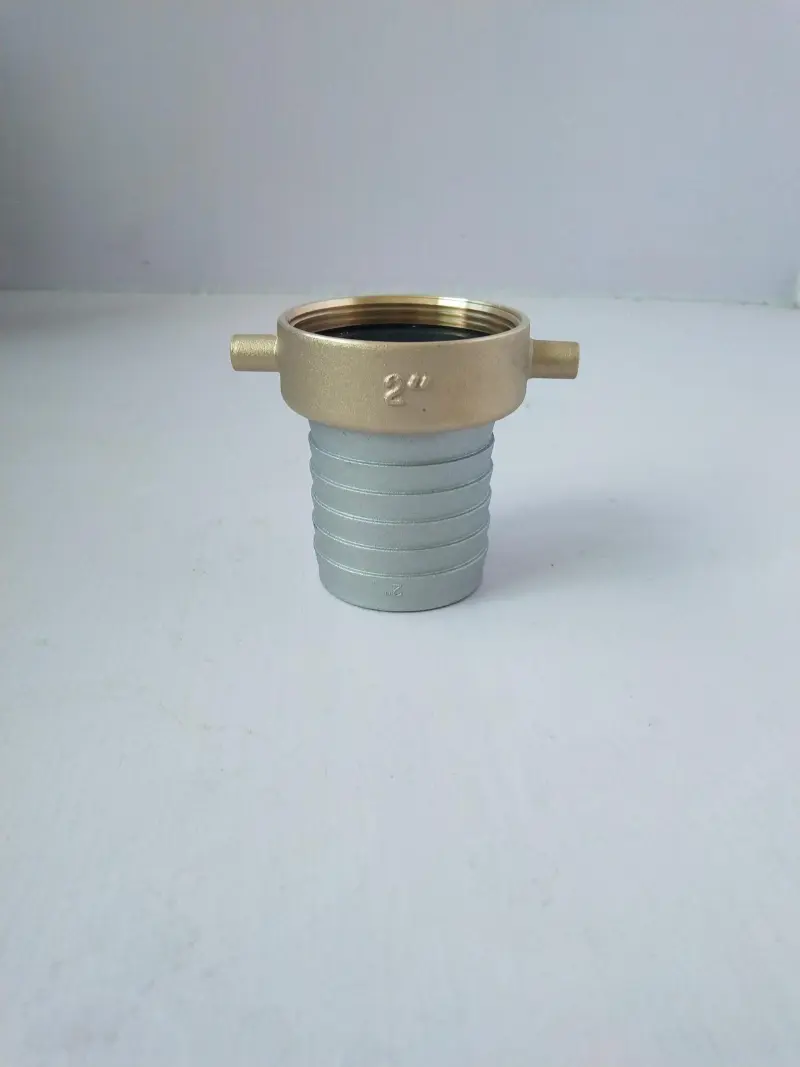
Conclusion
Pin-Lug couplings deliver efficient and safe quick-connection solutions for diverse fluid-transfer projects. Proper selection and regular maintenance help end-users maximize performance and cut operational risks.
XunChi Hardware supplies standardized Pin-Lug couplings with reliable sealing and interchangeability for fire-safety, chemical, agricultural and machinery applications, supporting global customers for fluid piping solutions.
XunChi keeps focusing on reliable Pin-Lug coupling products built for durability, precise dimensions and stable field-service performance.