- English
- Español
- Português
- русский
- Français
- 日本語
- Deutsch
- tiếng Việt
- Italiano
- Nederlands
- ภาษาไทย
- Polski
- 한국어
- Svenska
- magyar
- Malay
- বাংলা ভাষার
- Dansk
- Suomi
- हिन्दी
- Pilipino
- Türkçe
- Gaeilge
- العربية
- Indonesia
- Norsk
- تمل
- český
- ελληνικά
- український
- Javanese
- فارسی
- தமிழ்
- తెలుగు
- नेपाली
- Burmese
- български
- ລາວ
- Latine
- Қазақша
- Euskal
- Azərbaycan
- Slovenský jazyk
- Македонски
- Lietuvos
- Eesti Keel
- Română
- Slovenski
- मराठी
- Srpski језик

How Does PP Camlock Coupling Work?
Abstract
PP Camlock Coupling is a fast, reliable, and cost-effective fluid transfer connection solution widely used in agriculture, chemical processing, water treatment, food handling, and industrial manufacturing systems. This article explains how PP (polypropylene) Camlock Couplings work, their structure, advantages, selection criteria, and common applications. It also addresses real-world operational pain points such as leakage prevention, compatibility issues, and maintenance efficiency. By the end, readers will understand how to choose and use PP Camlock Couplings effectively for safer and more efficient fluid handling systems.
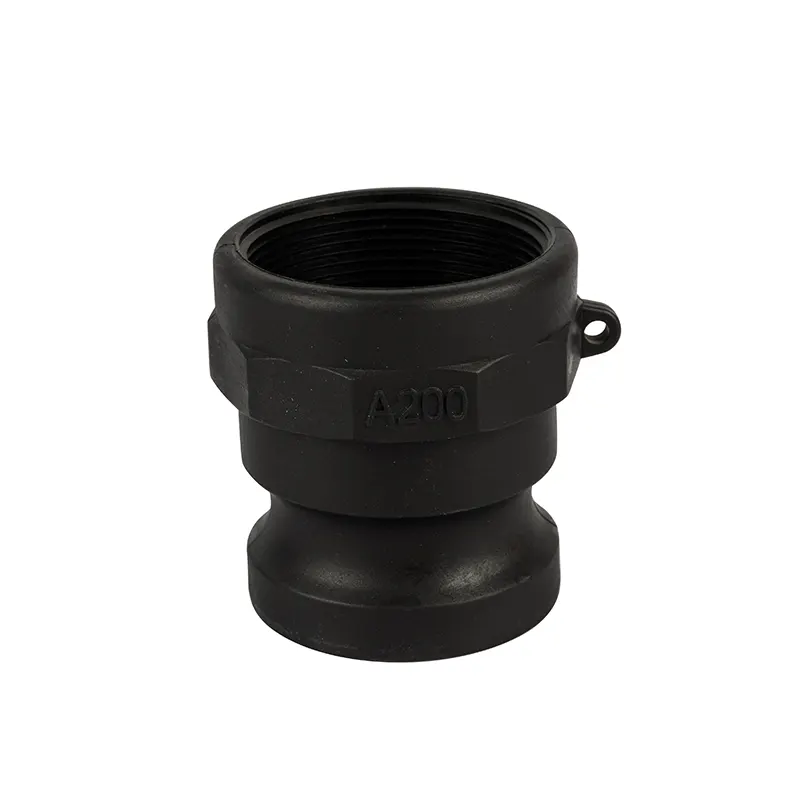
Table of Contents
- 1. Overview of PP Camlock Coupling
- 2. Working Principle Explained
- 3. Structure and Key Components
- 4. Key Advantages in Industrial Use
- 5. Material Comparison Table
- 6. Typical Applications
- 7. How to Choose the Right Coupling
- 8. Maintenance and Troubleshooting
- 9. Frequently Asked Questions
- 10. Conclusion & Contact
1. Overview of PP Camlock Coupling
PP Camlock Coupling, also known as polypropylene cam and groove coupling, is a quick-connect system designed for rapid assembly and disassembly of fluid transfer lines without the need for tools. Compared to metal alternatives, polypropylene offers lightweight construction, corrosion resistance, and cost efficiency.
The system typically consists of a male adapter and a female coupler that lock together using cam arms, forming a secure and leak-resistant seal. Brands like XunChi® provide high-performance PP Camlock Couplings designed for demanding industrial environments.
2. Working Principle Explained
The working mechanism of PP Camlock Coupling is based on a cam-and-groove locking system. When the male adapter is inserted into the female coupler, the cam arms are closed, forcing the internal gasket to compress and create a tight seal.
- Step 1: Insert male adapter into female coupler
- Step 2: Close cam arms manually
- Step 3: Gasket compression ensures sealing
- Step 4: Pressure stabilizes the connection
This tool-free operation significantly reduces downtime and eliminates the need for specialized installation equipment.
3. Structure and Key Components
The PP Camlock Coupling system is composed of several precision-engineered parts:
- Male Adapter (Type A/E/F) – connects to hoses or pipes
- Female Coupler (Type B/C/D) – receives the adapter
- Cam Arms – provide locking force
- Gasket Seal – prevents leakage
- Safety Pins or Rings – optional locking protection
Each component plays a critical role in ensuring system reliability and leak-free performance.
4. Key Advantages in Industrial Use
PP Camlock Couplings are widely adopted due to their practical benefits in demanding environments.
- Corrosion resistance against acids and alkalis
- Lightweight design reduces handling fatigue
- Quick connection and disconnection without tools
- Cost-effective compared to stainless steel alternatives
- Low maintenance requirements
Manufacturers like XunChi® optimize these advantages by ensuring consistent dimensional accuracy and durable sealing performance.
5. Material Comparison Table
| Material | Corrosion Resistance | Weight | Cost | Typical Use |
|---|---|---|---|---|
| PP (Polypropylene) | High | Very Light | Low | Chemical transfer, irrigation |
| Aluminum | Medium | Light | Medium | Water, fuel systems |
| Stainless Steel | Very High | Heavy | High | Food, pharma, high pressure systems |
6. Typical Applications
PP Camlock Couplings are used across multiple industries where quick and safe fluid transfer is required:
- Agricultural irrigation systems
- Chemical processing plants
- Water and wastewater treatment facilities
- Food and beverage production lines
- Oil and fuel transfer systems (low pressure)
Their adaptability makes them a preferred choice for operators seeking efficiency and safety in fluid handling.
7. How to Choose the Right Coupling
Selecting the correct PP Camlock Coupling requires careful consideration of several factors:
- Fluid Type: Chemical compatibility with polypropylene
- Pressure Rating: Ensure system safety limits
- Size Compatibility: Match hose and pipe diameters
- Seal Material: NBR, EPDM, or Viton depending on application
- Environmental Conditions: UV exposure, temperature range
Products from XunChi® are engineered with standardized sizing and durable sealing options to simplify selection and reduce operational risk.
8. Maintenance and Troubleshooting
Although PP Camlock Couplings require minimal maintenance, periodic inspection ensures long-term performance.
- Inspect gaskets for wear or deformation
- Check cam arms for smooth operation
- Clean sealing surfaces regularly
- Avoid over-tightening or forceful engagement
Common issues such as leakage often stem from worn seals or improper locking. Replacing gaskets typically resolves most problems quickly.
9. Frequently Asked Questions
Q1: Can PP Camlock Couplings handle corrosive chemicals?
Yes, polypropylene offers strong resistance to many acids and alkalis, making it suitable for chemical applications.
Q2: Are PP Camlock Couplings reusable?
Yes, they are designed for repeated use as long as components remain in good condition.
Q3: What is the main advantage over threaded fittings?
They offer faster connection and disconnection without tools, significantly improving operational efficiency.
Q4: Can they be used under high pressure?
They are generally suitable for low to moderate pressure systems. Always check manufacturer specifications.
10. Conclusion & Contact
PP Camlock Couplings provide a practical, efficient, and safe solution for modern fluid transfer systems. Their lightweight design, corrosion resistance, and ease of use make them indispensable across multiple industries. Proper selection and maintenance ensure long-term reliability and performance.
XunChi® continues to deliver high-quality PP Camlock Coupling solutions designed for durability, precision, and industrial efficiency.
If you are looking for reliable coupling solutions or need technical assistance, contact us today to get professional support and tailored product recommendations from XunChi® experts.