- English
- Español
- Português
- русский
- Français
- 日本語
- Deutsch
- tiếng Việt
- Italiano
- Nederlands
- ภาษาไทย
- Polski
- 한국어
- Svenska
- magyar
- Malay
- বাংলা ভাষার
- Dansk
- Suomi
- हिन्दी
- Pilipino
- Türkçe
- Gaeilge
- العربية
- Indonesia
- Norsk
- تمل
- český
- ελληνικά
- український
- Javanese
- فارسی
- தமிழ்
- తెలుగు
- नेपाली
- Burmese
- български
- ລາວ
- Latine
- Қазақша
- Euskal
- Azərbaycan
- Slovenský jazyk
- Македонски
- Lietuvos
- Eesti Keel
- Română
- Slovenski
- मराठी
- Srpski језик

How Does Aluminum Camlock Coupling Optimize Industrial Fluid Transfer?
Article Summary
Aluminum camlock couplings are essential components in industrial fluid transfer systems, providing secure, efficient, and leak-proof connections for liquids, powders, and gases. This article explores how aluminum camlock couplings work, the benefits of using them, and how to select the right type for different applications. By addressing common customer challenges and detailing technical considerations, businesses can enhance operational safety, efficiency, and maintenance practices.
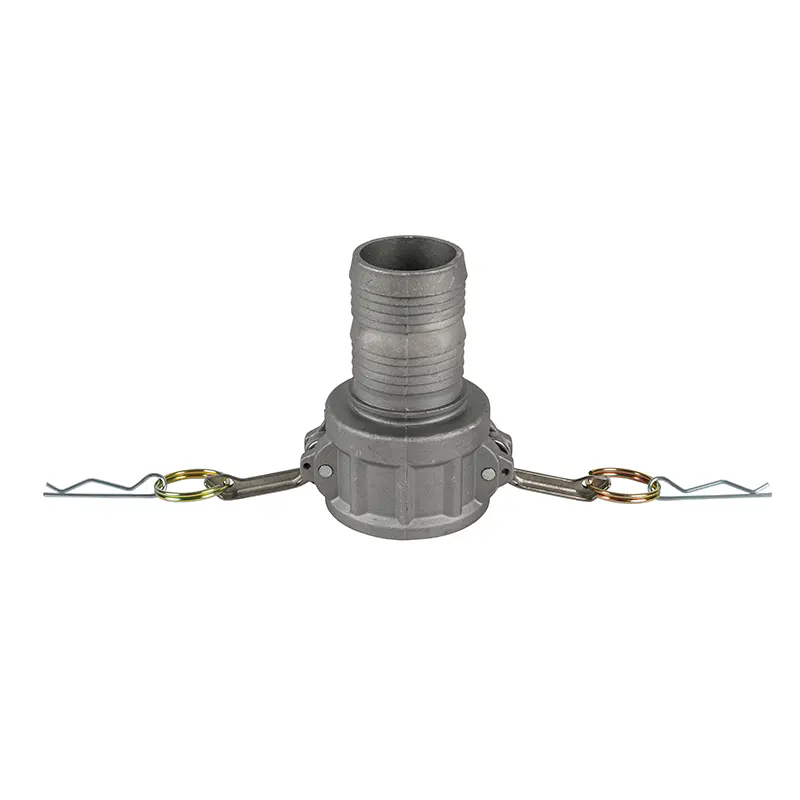
Table of Contents
- Aluminum Camlock Coupling Overview
- Common Customer Pain Points
- Types of Aluminum Camlock Couplings
- How to Choose the Right Aluminum Camlock Coupling
- Installation and Operational Considerations
- Comparison Table of Aluminum Camlock Couplings
- Maintenance and Longevity Tips
- Application Scenarios
- Frequently Asked Questions
- Conclusion and Contact Us
Aluminum Camlock Coupling Overview
Aluminum camlock couplings are quick-connect fittings designed to simplify the connection and disconnection of hoses and pipes in industrial systems. Their cam-and-groove mechanism provides a secure seal without the need for additional tools, enabling rapid and safe fluid handling. Aluminum is preferred for its lightweight nature, corrosion resistance, and durability under high-pressure and high-temperature conditions.
XunChi manufactures aluminum camlock couplings that meet rigorous industrial standards, ensuring consistent performance for chemical, petroleum, water treatment, and food processing industries.
Common Customer Pain Points
Customers frequently encounter challenges when selecting or using aluminum camlock couplings. Recognizing these issues can prevent operational disruptions:
- Leaks due to incompatible hose sizes or improper sealing
- Difficulty in connecting or disconnecting under pressure
- Corrosion or wear in aggressive chemical environments
- Weight and handling issues with larger diameter couplings
- Limited compatibility with existing hose fittings
- Failure due to improper maintenance or misalignment
Types of Aluminum Camlock Couplings
Aluminum camlock couplings come in various configurations to suit specific applications. Key types include:
- Type A (Male Adapter x Female Thread) – For connecting hose to threaded equipment
- Type B (Female Coupler x Male Thread) – Common in liquid transfer and pumping systems
- Type C (Female Coupler x Hose Tail) – Ideal for flexible hose connections
- Type D (Female Coupler x Female Thread) – For joining hoses to threaded pipelines
- Type E (Male Adapter x Hose Tail) – Lightweight and easy to handle for low-pressure lines
- Type F (Special Applications) – Custom designs for high-pressure or chemical-resistant environments
How to Choose the Right Aluminum Camlock Coupling
Selecting the correct coupling involves several technical considerations:
- Fluid type and chemical compatibility
- Pressure and temperature requirements
- Hose or pipe diameter and type
- Operational frequency and ease of use
- Environmental conditions such as UV exposure or saltwater contact
XunChi provides expert guidance to match couplings with system requirements, helping prevent leaks, downtime, and premature wear.
Installation and Operational Considerations
Proper installation and operation of aluminum camlock couplings are crucial for safety and efficiency:
- Inspect seals and gaskets before every use
- Ensure correct alignment of male and female components
- Do not exceed recommended pressure and temperature ratings
- Use compatible hoses and pipes to prevent damage
- Train personnel on proper connection and disconnection techniques
Comparison Table of Aluminum Camlock Couplings
| Type | Connection | Advantages | Typical Applications |
|---|---|---|---|
| Type A | Male Adapter x Female Thread | Versatile, easy to connect to equipment | Water, chemicals, petroleum |
| Type B | Female Coupler x Male Thread | Secure, high-pressure handling | Pumping systems, industrial pipelines |
| Type C | Female Coupler x Hose Tail | Flexible, quick connection | Transfer hoses, temporary installations |
| Type D | Female Coupler x Female Thread | Connects to threaded pipelines easily | Chemical, food, beverage lines |
Maintenance and Longevity Tips
Maintaining aluminum camlock couplings ensures reliable operation and extends service life:
- Regularly clean couplings and remove debris
- Inspect cam arms and gaskets for wear or damage
- Lubricate moving parts lightly as recommended
- Replace worn or damaged components promptly
- Store couplings in a dry environment to reduce corrosion risk
Application Scenarios
Aluminum camlock couplings are widely applied across industries:
- Chemical and petroleum fluid transfer
- Water and wastewater treatment plants
- Agricultural irrigation systems
- Food and beverage production lines
- Industrial cleaning and pressure washing
Frequently Asked Questions
Can aluminum camlock couplings handle high-pressure fluids?
Yes, when selected according to pressure ratings and operational limits specified by the manufacturer.
Are aluminum couplings compatible with all hoses?
Compatibility depends on hose diameter, material, and chemical resistance. Consult the manufacturer for proper matching.
How long do aluminum camlock couplings last?
With proper maintenance, couplings can last many years, though environmental factors and usage frequency affect longevity.
Is installation difficult?
No. Aluminum camlocks are designed for quick, tool-free connection, but alignment and gasket inspection are crucial for proper sealing.
Conclusion and Contact Us
Aluminum camlock couplings provide safe, efficient, and reliable solutions for industrial fluid transfer. By understanding coupling types, selecting the right fit, and following proper installation and maintenance practices, businesses can optimize system performance and minimize operational risks.
XunChi offers high-quality aluminum camlock couplings engineered for durability, ease of use, and versatility across industrial applications. Enhance your fluid transfer operations with XunChi solutions. Contact us today to discuss your requirements and discover the ideal aluminum camlock coupling for your system.